
How Regenerative Farming Keeps Master’s Stables Thriving — The Platt Family’s Sustainable Ranching Legacy
Meta Description:
Discover how Bryce Platt and the Master’s Stables family use regenerative farming and cattle rotation to preserve the land for generations to come.
A Family Legacy Rooted in the Land
As the morning sun breaks over the pastures at Master’s Stables, the mist hangs low and quiet. You can hear the soft rustle of cattle moving between paddocks, the creak of a gate, and the steady hum of life on a working Florida ranch. This is where Bryce Platt, grandson of the property’s owner, starts most days — with boots in the dirt, eyes on the herd, and a deep respect for the land that built his family’s legacy.
Master’s Stables isn’t just a wedding venue surrounded by open fields and oaks. It’s part of a living, breathing ranch — one that’s now embracing a more sustainable future through regenerative farming.
What Is Regenerative Farming?
At its core, regenerative farming is about giving back to the soil what nature intended. It’s a system built around restoration instead of extraction — improving soil health, increasing biodiversity, and strengthening the land so it can continue producing for generations to come.
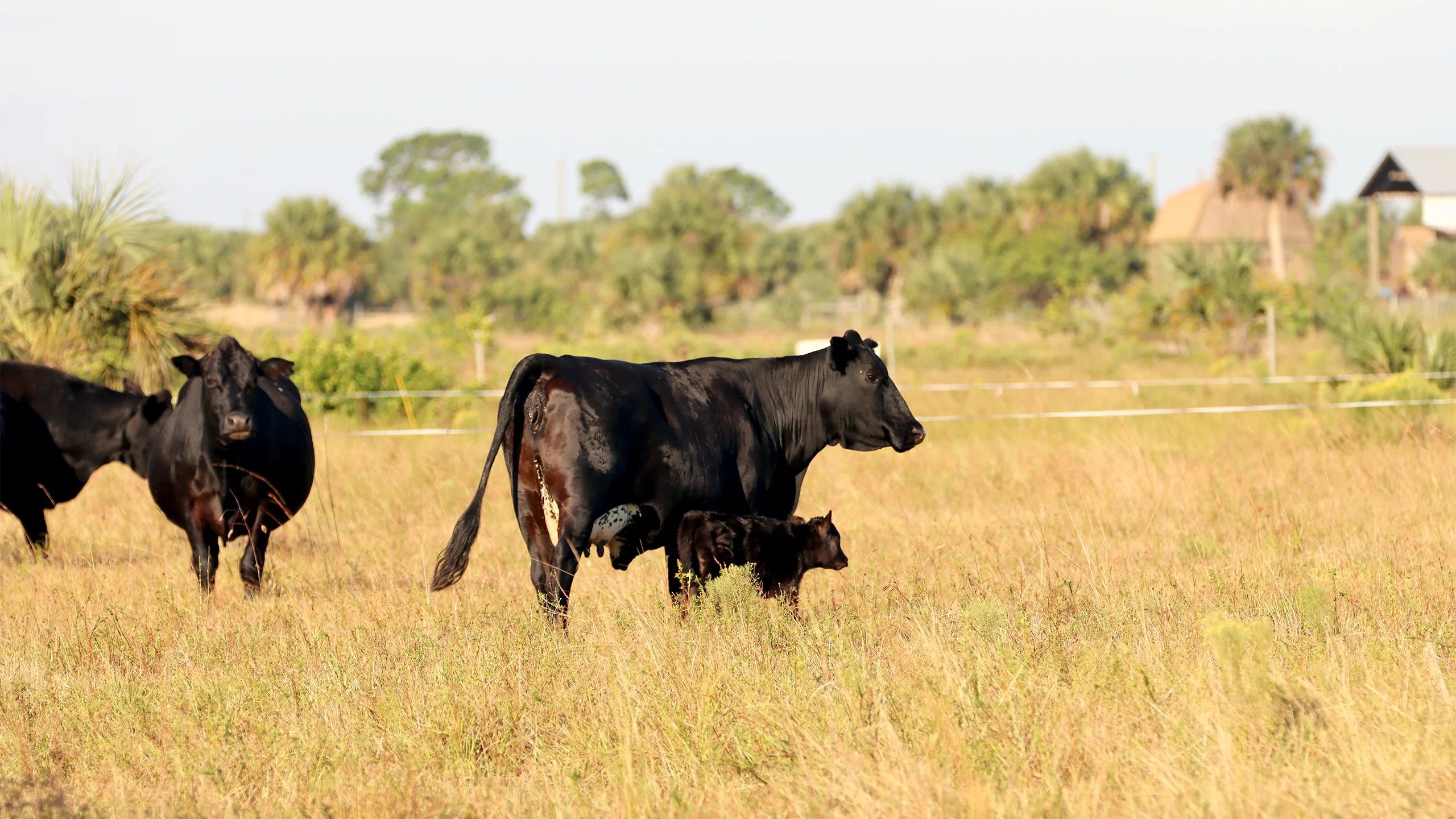
Instead of overgrazing or depleting the pasture, regenerative ranchers like Bryce Platt use rotational systems that allow grass to recover naturally. Cattle are moved between designated sections (called paddocks), mimicking the natural migration patterns of wild herds. This rest period helps the soil retain nutrients, supports healthy root systems, and reduces the need for fertilizers or artificial inputs.
It’s farming the way nature designed — just guided with intention and respect.
The Platt Family’s Commitment to Sustainable Stewardship
The Platt family has worked this land for generations. Every fence post, every patch of grass, every shade tree tells part of their story. What started as a working ranch has grown into a place where family, faith, and stewardship all intersect.
Bryce represents the next chapter of that legacy. While honoring the hard work of those before him, he’s introduced practices that protect the land for those who’ll come after. Through regenerative methods, he’s reshaping how the ranch operates — proving that tradition and progress don’t have to compete; they can thrive side by side.
Bryce Platt’s Approach to Cattle and Paddock Rotation
Bryce’s system focuses on paddock sectioning — dividing the ranch into smaller fenced areas where cattle can graze for short periods before being rotated to fresh ground.
This technique gives each pasture time to rest and regrow, prevents soil compaction, and encourages native grasses to flourish. The result? Stronger forage, healthier livestock, and richer, more resilient land.
It’s not about chasing trends; it’s about balance — caring for the land the same way it’s cared for the Platt family all these years.
How Regenerative Ranching Shapes Master’s Stables
Every guest who visits Master’s Stables — whether for a wedding, family gathering, or farm tour — becomes part of this story. The sprawling pastures and the iconic barn backdrop aren’t just beautiful; they’re alive, renewed by the same hands that have tended them for decades.
The venue’s charm is deeper than décor. It’s built on a foundation of respect for the land, a quiet promise that every event hosted here happens in harmony with nature. Couples who say “I do” at Master’s Stables are surrounded by a landscape that’s continually giving back — a living symbol of growth, renewal, and legacy.
Preserving the Land, Celebrating the Legacy
For the Platt family, regenerative farming isn’t a marketing term — it’s a way of life. It reflects who they are: hardworking, forward-thinking, and deeply connected to the land that raised them.
As Bryce continues refining this process, Master’s Stables stands as proof that sustainability and tradition can walk the same fence line.
Ready to experience it for yourself?
Schedule a visit to Master’s Stables and see firsthand how the land and legacy thrive together.